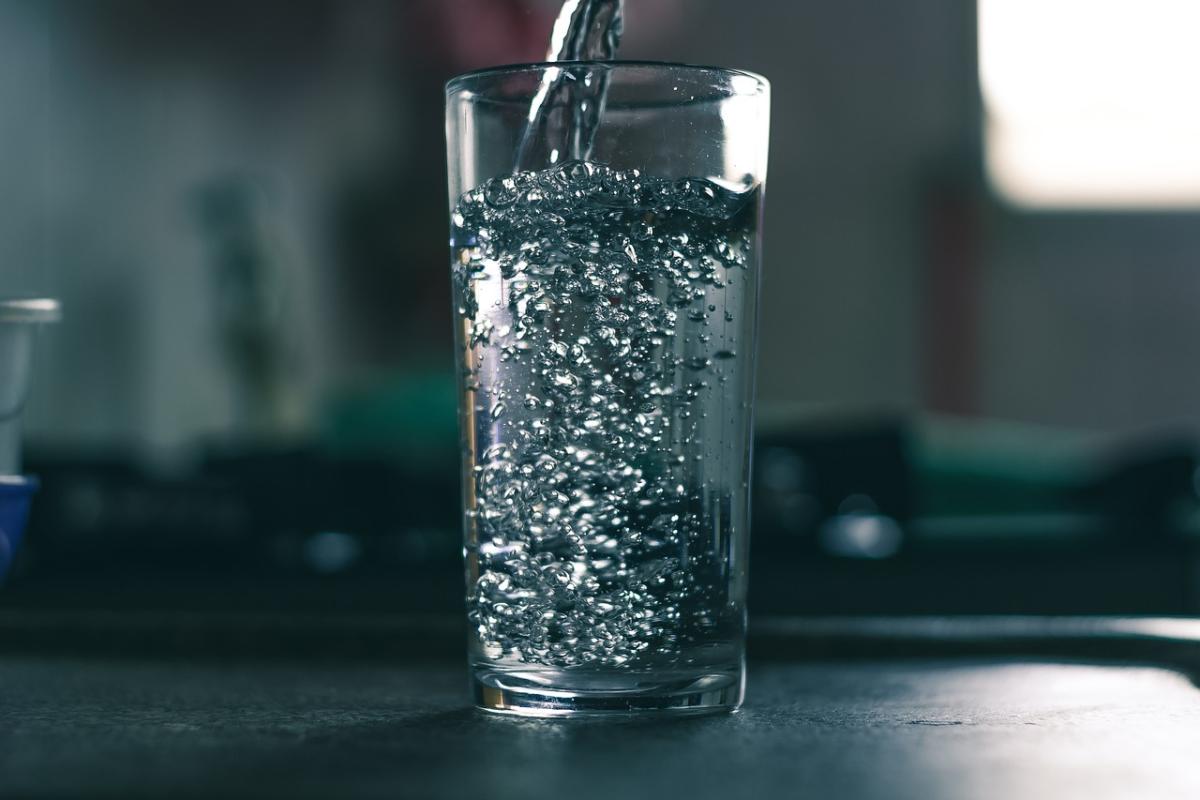
Staying hydrated is key, especially when you're prepping. You never know when fresh water might not be available. A solid water filter can make all the difference. Here are some of the best options that serious preppers swear by.
1. LifeStraw Personal Water Filter
This one’s a classic. The LifeStraw is lightweight and super portable. It allows you to drink directly from streams or lakes without fear. It filters out bacteria and protozoa, giving you safe drinking water right when you need it. It's perfect for hiking or keeping in your bug-out bag.
2. Sawyer Mini Water Filtration System
The Sawyer Mini is compact and easy to use. You can sip directly from a source, fill a water bottle, or use it with a hydration pack. It filters out 99.99999% of bacteria and is rated for over 100,000 gallons. That’s a ton of water! Plus, it’s super affordable for the quality you get.
3. Katadyn BeFree Water Filter
This filter is a favorite for those who love outdoor adventures. The Katadyn BeFree is a lightweight, flexible bottle with a built-in filter. Just fill it up, squeeze, and drink. It’s quick and effective. Plus, it packs down small, so it won’t take up much space in your gear.
4. Berkey Water Filter System
If you're looking for something for home use, the Berkey systems are hard to beat. They come in various sizes and can filter out a long list of contaminants, including heavy metals and viruses. It’s perfect for families, and you don't need electricity to use it. Just fill it up and let the gravity do its work.
Choosing the right water filter can make your prepping efforts much more effective. Each of these filters has its own strengths, so think about how you'll use it and where. With any of these options, you’ll stay hydrated and ready for anything.
Portable Water Purification Options
When it comes to staying hydrated during an emergency, having a portable water purification system is a must. You want something that won't weigh you down but can still deliver clean drinking water. Here are a few options that fit the bill.
First up, we have water filters. These come in various shapes and sizes, from personal straws to larger systems that filter multiple liters at a time. A popular choice is the LifeStraw, which allows you to drink directly from water sources without worrying about harmful bacteria. It's lightweight and incredibly handy for hiking or bugging out.
Then there are water purification tablets. They’re small, easy to pack, and can treat a decent amount of water. Just drop them in your container, let them work their magic, and you've got yourself safe drinking water in no time. Brands like Katadyn offer reliable options you can trust.
If you want something a bit more high-tech, consider portable UV purifiers. Just scoop up some water, press the button, and wait a few minutes. The UV light kills off viruses and bacteria like a champ. Plus, they’re usually rechargeable, so you won’t have to worry about constantly buying batteries.
In short, you’ve got plenty of solid choices for portable water purification. Just think about your needs and pick what's best for you. Whether you go for filters, tablets, or UV purifiers, you'll stay safe and hydrated when it counts the most.
Long Term Water Storage Tips
Storing water for the long haul is super important for any prepper. If you want to ensure you have enough clean drinking water down the line, check out these easy tips.
First, use food-grade containers. Look for barrels or jugs that are specifically designed for water storage. They won't leach harmful chemicals into your water. You can usually find these online or at local supply stores. Make sure they’re sealed tightly to prevent any contamination.
Next, treat your water before storing it. A little bit of unscented bleach can go a long way in keeping your water safe. Just mix in about 1/8 teaspoon of bleach per gallon of water. It’s a simple way to kill off bacteria and keep your stash fresh.
Store your water in a cool, dark place. This helps prevent algae growth and keeps your water tasting fresh. Check your storage area regularly, and try to rotate your supply every six months. That way, your water stays as good as it was on day one.
Don’t forget about alternative storage options like Mylar bags or water bricks! These can be more space-efficient and are great for smaller setups. They’re sturdy and keep your water safe from light and contaminants. Choose what works best for your space and needs!
Emergency Water Sources to Consider
When it comes to prepping, having a reliable water source is crucial. You can't always rely on running water, so it's smart to consider alternatives. Here are some emergency water sources you might want to look into:
Rainwater Harvesting: Collecting rainwater is a great way to gather fresh water. Set up some barrels or containers to catch the rain from your roof. Make sure to use a first-flush diverter to keep any debris or contaminants out. It’s an easy, natural way to stock up without too much hassle.
Natural Water Sources: Lakes, rivers, and streams can be lifesavers in a pinch. Scout out local bodies of water and know how to get to them. Just remember, you’ll need a good filtration system to make that water safe to drink. Look for portable filters that are easy to carry.
Well Water: If you’re in a rural area, a well could be a solid option. That way, you have your own source of water right in your yard. Just think about how you’ll pump it if the power goes out. A manual pump can make all the difference.
Water Storage Containers: Stocking up on clean, safe containers is a must. Look for BPA-free water jugs that you can fill and store away. Don’t forget to rotate your supply every six months to keep it fresh. This way, you've always got water on hand when you need it.